Beguiling Bishkek

We hear the distinct smack of heavy goose steps before we see the soldiers. We’ve arrived just in time to see the changing of the guard at Ala-Too Square in Bishkek, Kyrgyzstan. Aside from us, there’s only a handful of people present for the ceremony, which takes place every two hours.

This vast eight-hectare square is the stage upon which modern history has unfolded, from the Soviet past to independence and modern-day struggles. Constructed in 1984 to commemorate the 60th anniversary of the Soviet Republic of Kyrgyzstan, it was originally named Lenin Square after the massive Lenin statue at its centre.


The collapse of the Soviet Union in 1991 brought salient changes to this city. With Kyrgyzstan gaining independence, the Soviet-era city of Frunze reverted to its Kyrgyz name, Bishkek, meaning a churn used to make fermented mare’s milk, the staple drink of nomadic peoples. Interestingly, the prominent Lenin statue graced the square until 2003, when it was moved behind the Kyrgyzstan History Museum — suggesting, to us at least, that there were conflicted feelings over Kyrgyzstan’s past as a Soviet Union state.

Askar Akayev, the first popularly elected president of the newly independent Kyrgyz Republic, was initially a democratic reformist who promoted referendums to resolve national issues, garnering substantial support in foreign aid. A new constitution was enacted, ridding the country of its former Communist structures. Unfortunately, the honeymoon period didn’t last — the longer he was president, the more despotic he became, manipulating elections to hold onto power.
Public discontent came to a boiling point in 2025, igniting the Tulip Revolution, a large-scale revolt against corruption and authoritarianism. Ala-Too Square was the site of the largest anti-government demonstration of the Kyrgyz Revolution, when more than 15,000 people protested the results of the legislative elections.
The Akayev era was over, but the road to democracy remains a rough ride. Revolutions struck the country in 2010 and 2020, with large protests once again centred in the square.
There are no visible signs of discontent during our visit to Ala-Too Square — children frolic in the wide open space, vendors set up shop and locals gather to enjoy concerts, parades, festivals and cultural events. Ala-Too Square continues to be the cultural and political nerve centre of Kyrgyzstan, holding a special place in the hearts of its citizens.

A gigantic new monument to the legendary Kyrgyz hero, Manas, was installed just before our arrival, replacing the 2011 statue that depicted Manas calmly sitting on a horse. The new transformed version depicts a more combative, brave and strong commander charging forth on his rearing horse, a raised banner in his hand — a more apt symbol of the strength and unity of the Kyrgyz people. A mammoth Kyrgyz flag flies nearby, guarded by soldiers.


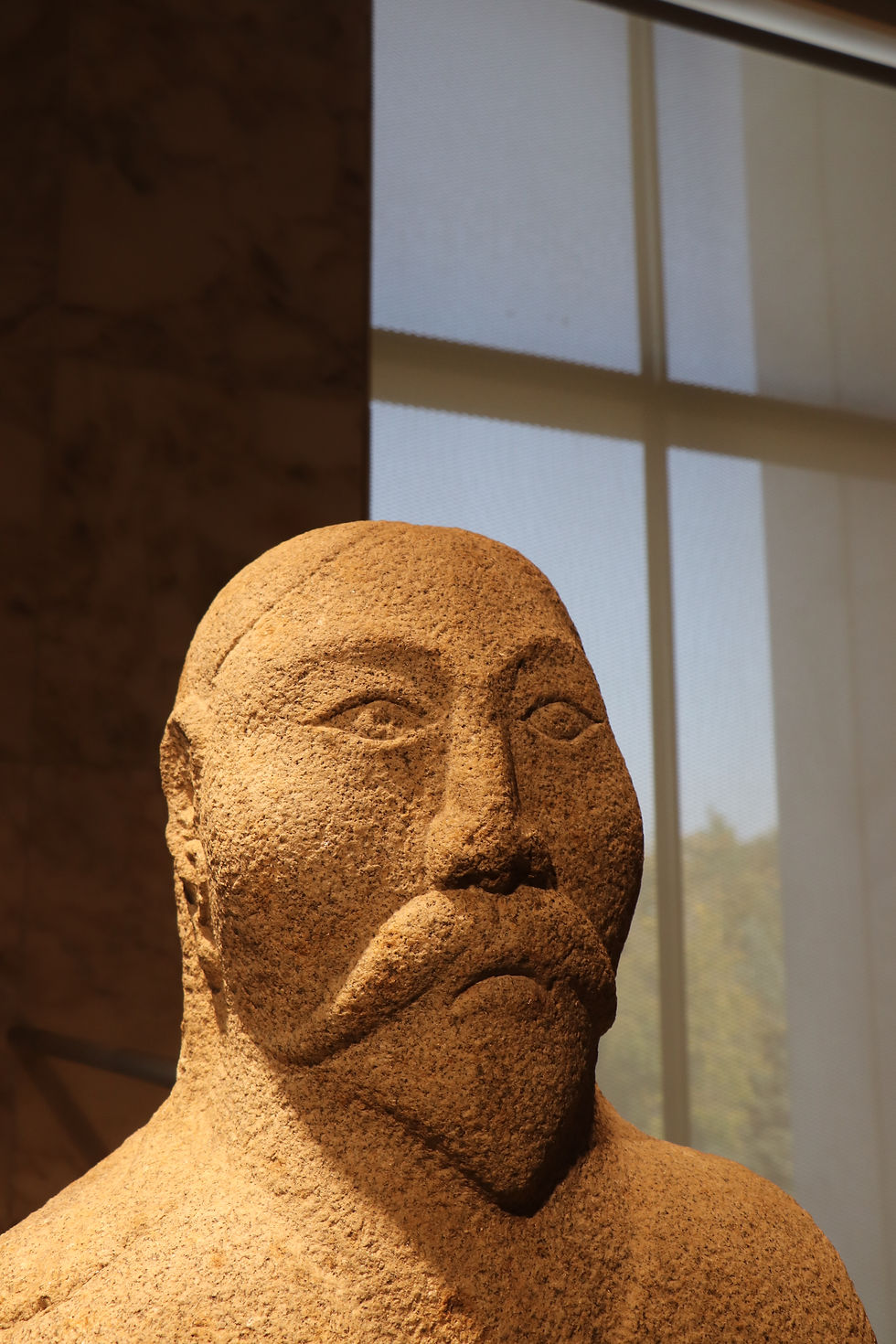
Wanting to dig deeper, we head to the Kyrgyz State Historical Museum that borders the square. It seems all the students from nearby schools are waiting in line. A tight squeeze through the line, a quick check of our bags by a guard, and we’re in.

The museum’s staggering 90,000 exhibits detail Kyrgyzstan's history from the Stone Age to the 21st century. Newly renovated, most exhibits are in English, Kyrgyz and Russian
— no wrestling with Google Translate is necessary here, as it so often is.

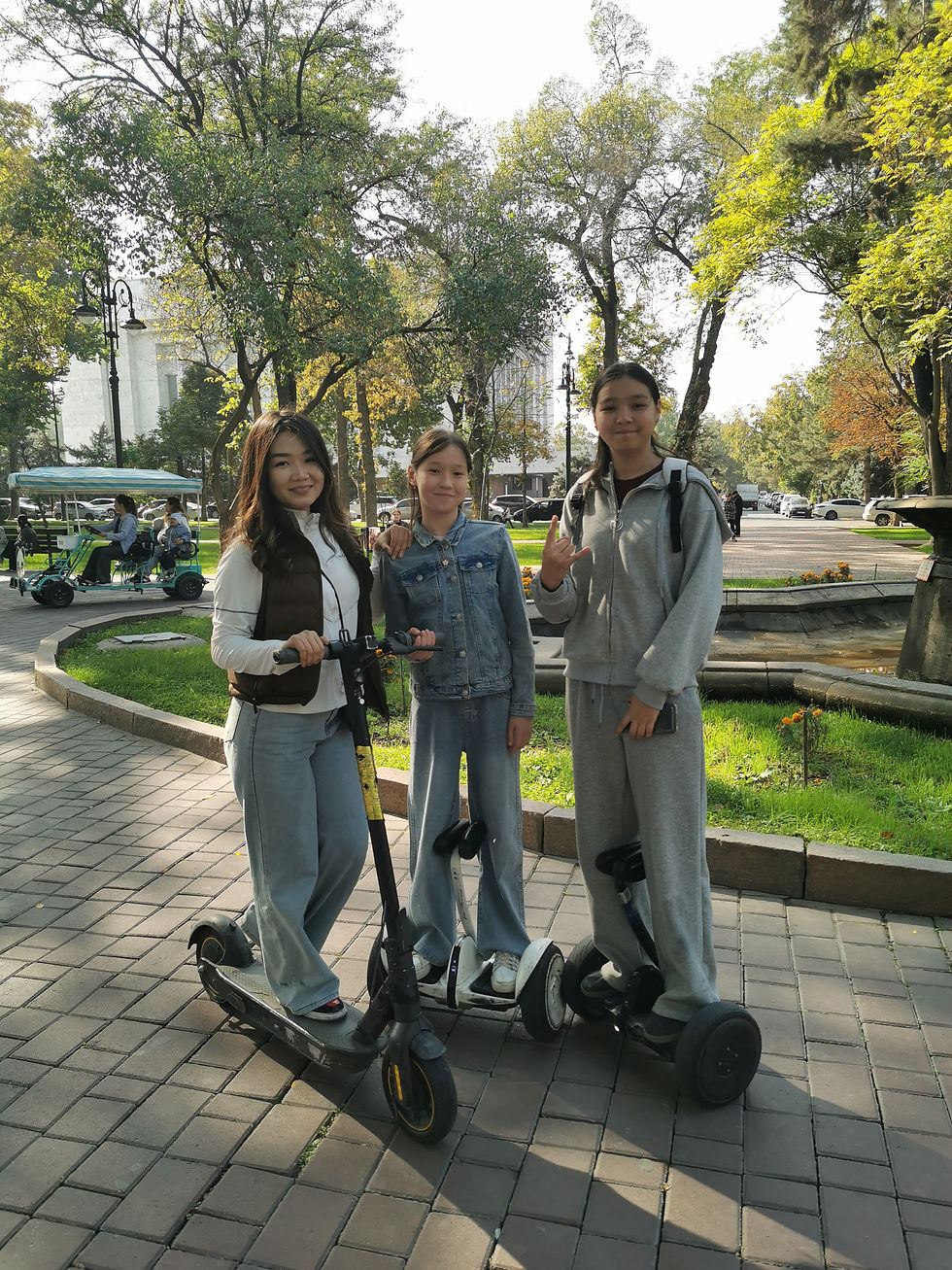
Tired after our sojourn through history, we head to neighbouring Oak Park, the oldest in the city. We’re never in a hurry; connecting with the culture, not checking off a list, is our priority. We sit and watch locals enjoying the day: groups of teens in rented golf carts, games of badminton, skateboarders, small children delighting in the freedom to run, and lovers holding hands.

Our energy revived, we grab a ride via Yandex Go, the local ride-sharing app, and head to our favourite culturally immersive experience — a local market, a place not only for shopping but also for socializing. Bishkek’s Osh Bazaar is huge; including all the buildings, it’s almost a kilometre in diameter. It’s a one-stop shop for everything: food, clothing, furniture, cleaning products, jewelry and cell phones. You name it, you can buy it. That is, if you can find it in the confusing maze. But just wandering around is half the fun. Noel finds a bargain: “real” Nike socks for a dollar.


We’d almost given up our search in the market's maze for nuts and chocolate, our go-to food for travelling, when, by sheer luck, we stumble across them. We then find toilets and an exit. We’re on a roll!
As we sit stuck in rush-hour traffic on the way back to our hotel, I reflect on how our stay in Bishkek has given us a feel for this capital city. Bishkek, more than any other post-Soviet city we’ve visited, brings to mind the Cold War and the dissolution of the Soviet Union — no longer a boring page in a high school history book, but alive, through Bishkek’s Ala-Too Square.


Comments